Why everybody losing it about NanobananaPRO?
Why everybody losing it about NanobananaPRO?
Author
Author
Merve Nur Sökmen
Merve Nur Sökmen
Let’s be honest
As designers, we’ve all been playing with AI tools for a while now. They were fun for experiments, great for quick moodboards, and perfect for throwing out visual ideas when your brain needed a push. But none of them ever felt truly usable for real design work. There was always that annoying “BUT” in the background. The resolution wasn’t strong enough, materials fell apart, the scale was off, or the text turned into some kind of sci-fi language. And the worst part: your carefully crafted product changed every time you tried to place it into a scene.
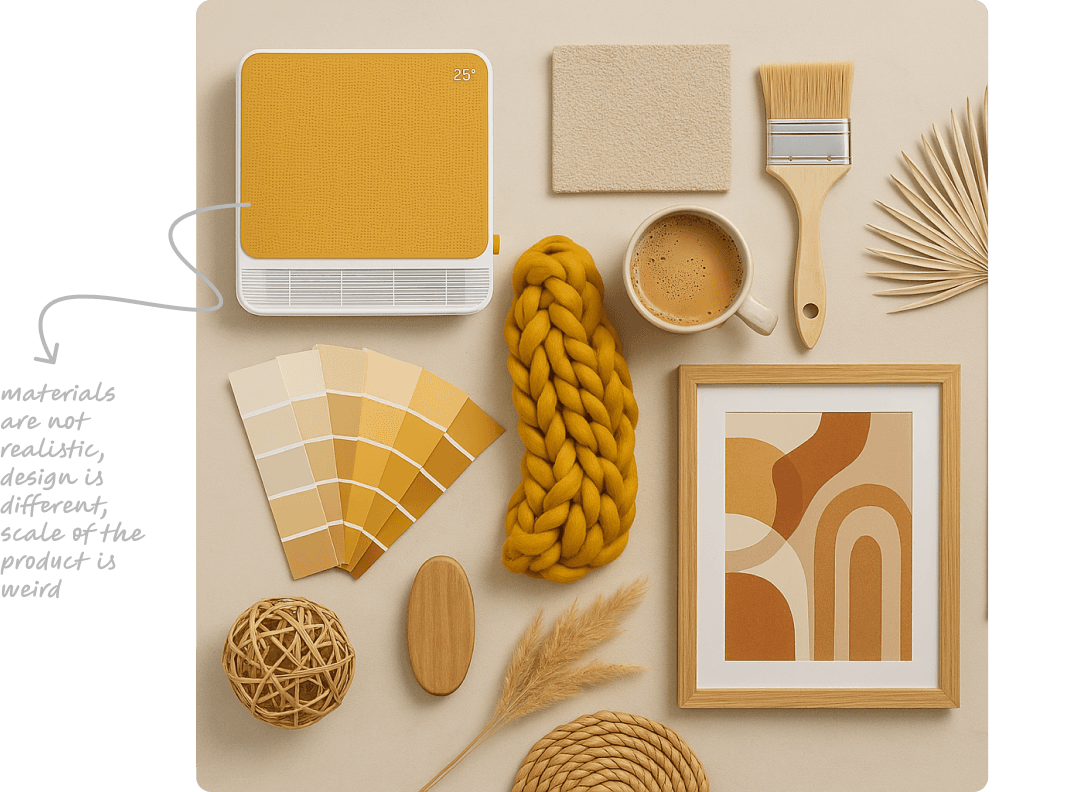
So we all did the same thing: keep AI on the edges of the workflow. Let it help with vibes, inspiration, maybe early sketches… but never with showing the actual product. Every time we tried, we ended up rebuilding logos, fixing geometry, repainting reflections, or re-doing entire compositions manually. It was faster to do everything ourselves than to correct the chaos.
The old problems that we all know
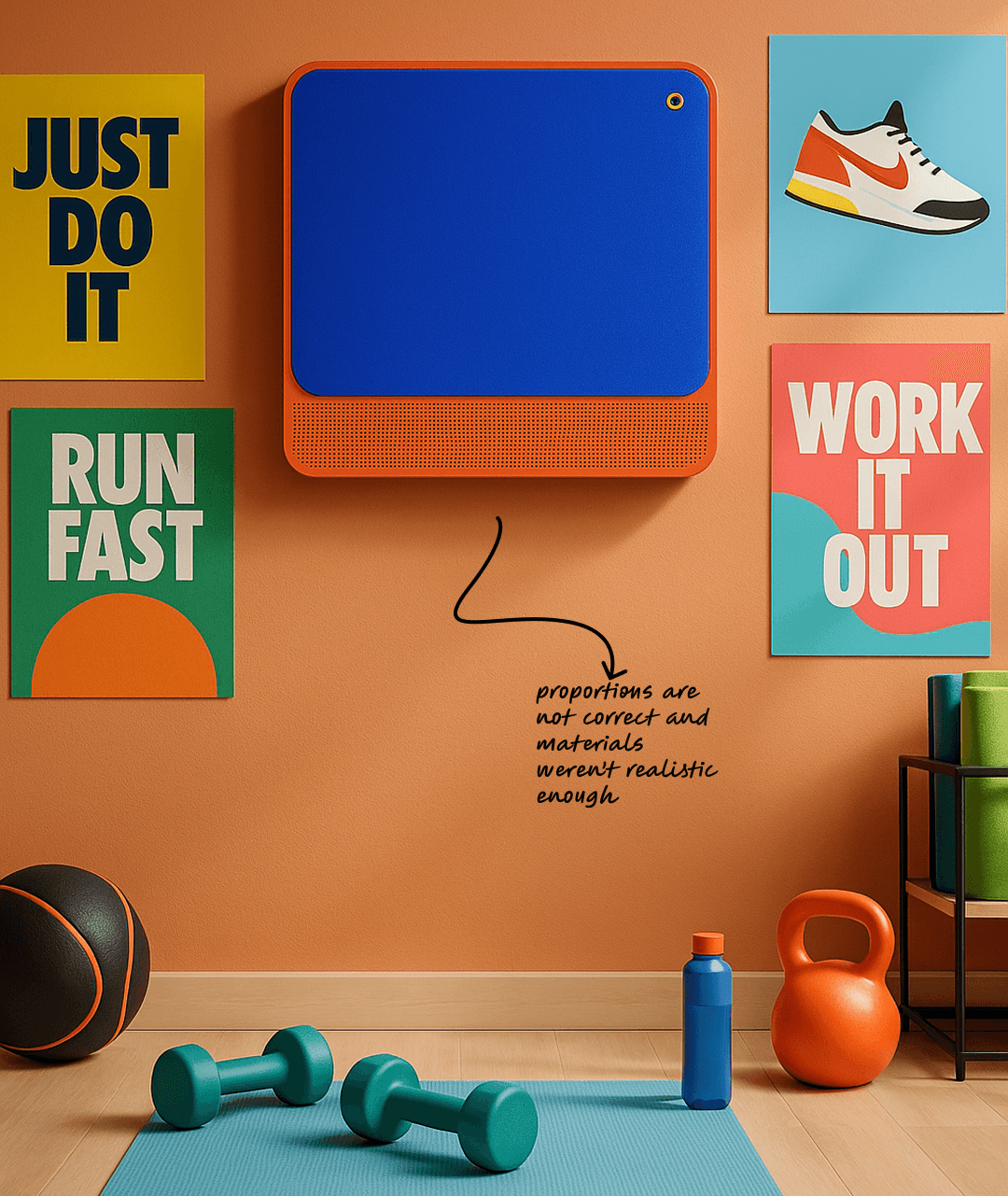
Every designer who tried to use AI for real deliverables ran into the same issues. AI images often had unrealistic materials, soft details, strange lighting, or scale issues that instantly broke the illusion. Logos were reinterpreted, UIs dissolved into noise, and the product itself morphed slightly every time you generated a new angle. Even with upscaling, most results weren’t sharp enough for presentation slides.
Small Steps Forward
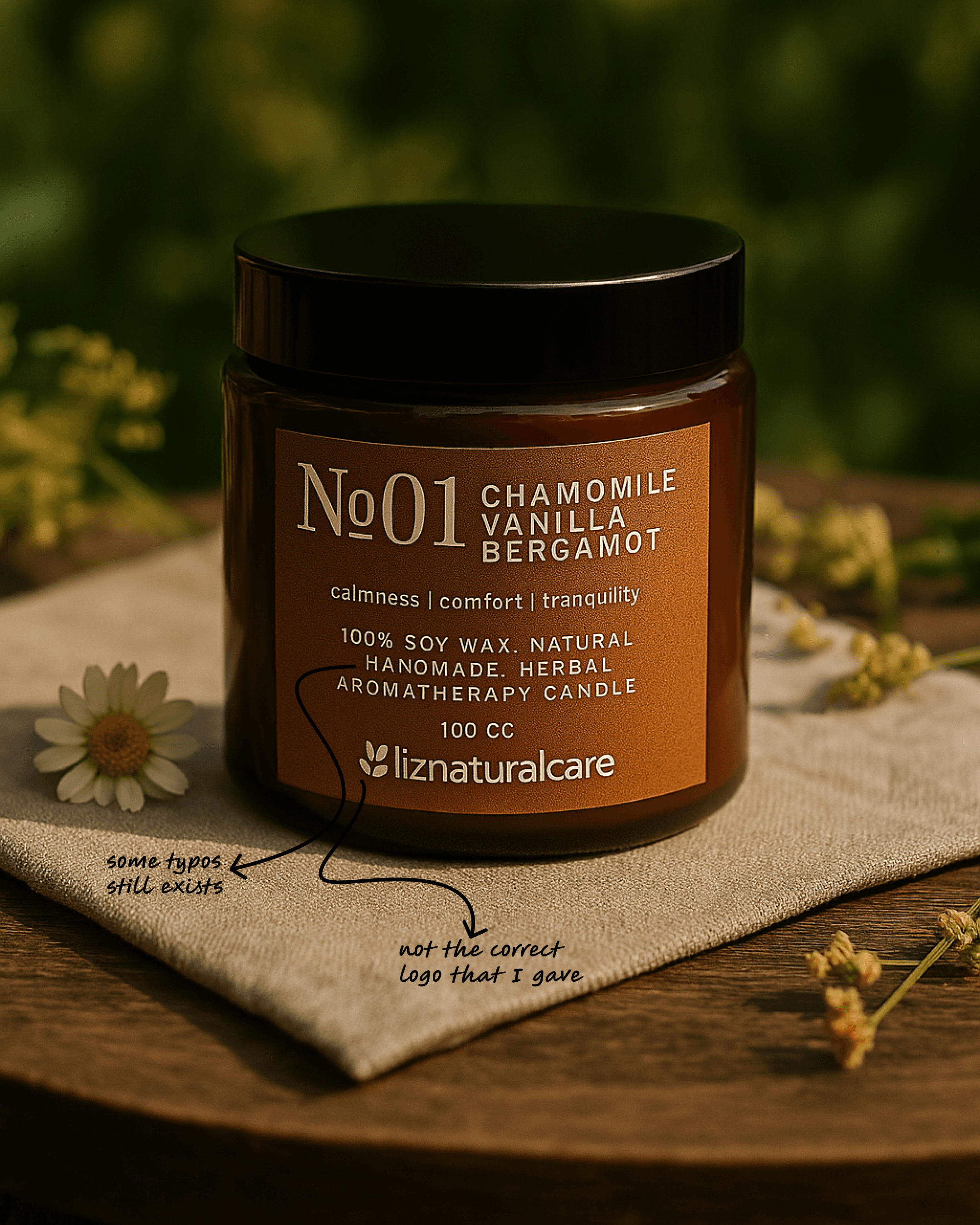
Firefly helped a bit with style matching, especially for building moodboards or personas. It was nice to carry over colors and textures, but it still wasn’t something we could trust with a solid, client-facing visual. ChatGPT could place some text on the product, which felt like progress, but the font often changed and there were always small typos or inconsistencies hiding in the details.
Then NanoBanana First Appeared
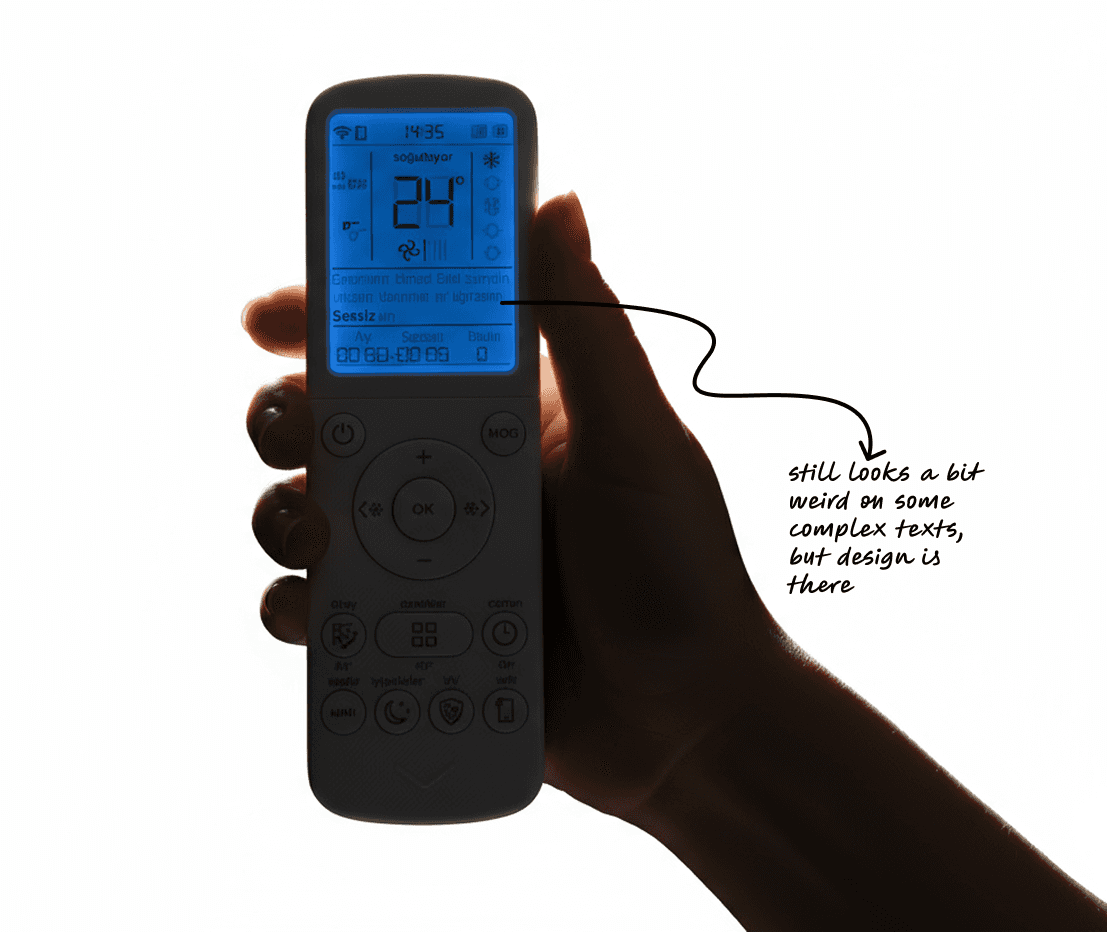
Then came NanoBanana with a name nobody expected and everybody loved. It started as a late-night placeholder for a benchmark submission and somehow took off across the internet. But beyond the name, the tool itself felt surprisingly refreshing. It wasn’t perfect or production-ready, but it was fast, intuitive, and unusually good at editing real photos without destroying them.
The Leap: NanoBananaPRO
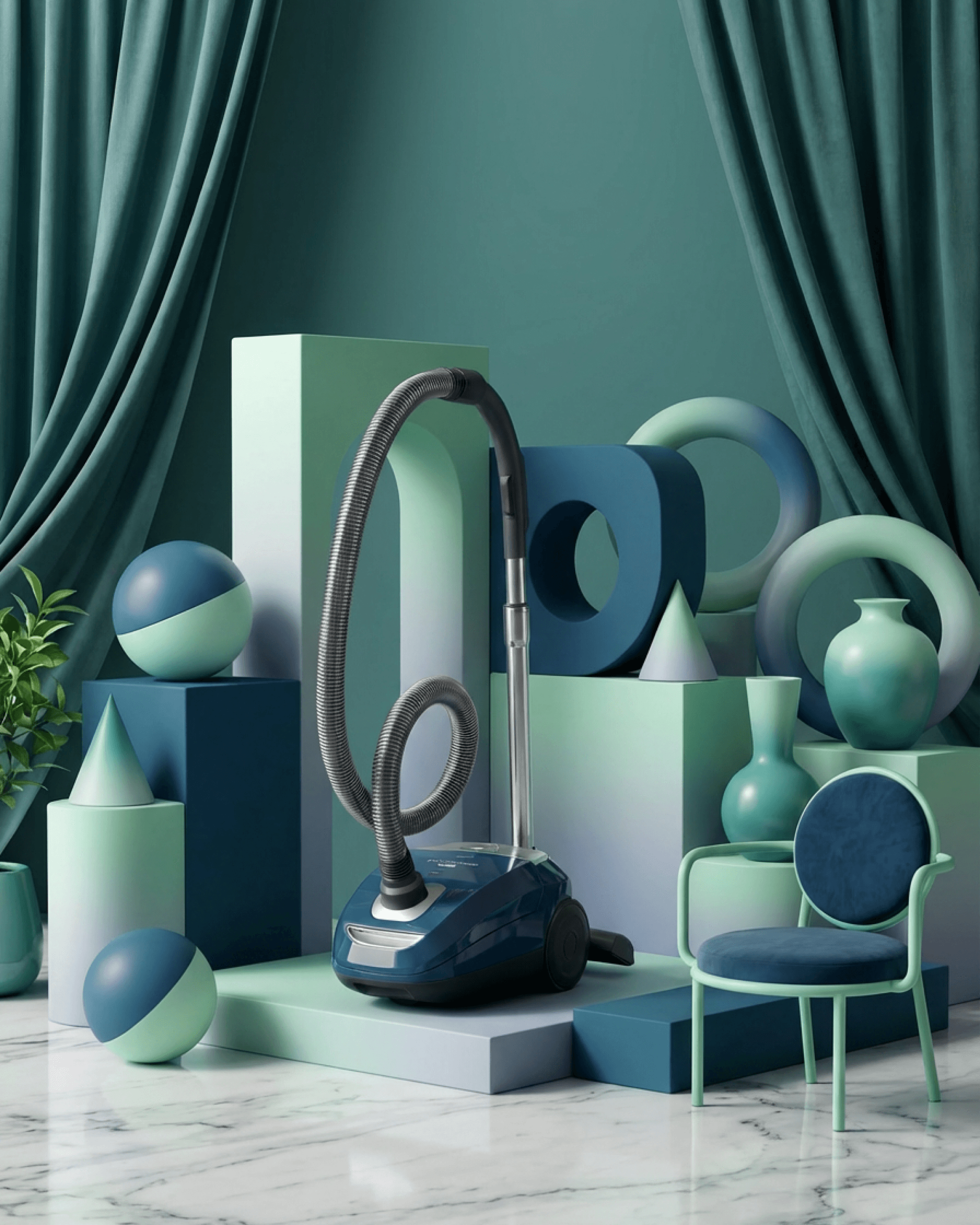
Everything shifted with NanoBananaPRO. This is the first AI tool that finally respects the design instead of reinventing it. For the first time, our products stayed exactly as we designed them. The geometry held. The CMF stayed truthful. The UI didn’t melt. The logos didn’t transform. The materials looked real. The lighting felt believable. And the images were high-resolution enough to go directly into a client presentation.
NanoBananaPRO bridges the gap between concept-stage AI and professional-grade visuals. It delivers consistency something designers have been begging for since AI tools emerged. It gives us the ability to build a scene around our product without the product being altered. That alone marks a huge turning point.
"With NanoBananaPRO, the distance between a rough idea and a presentation-ready visual becomes incredibly small."
We can now place our real product into usage scenarios without setting up full 3D scenes, hunting down stock photos that almost fit, or stitching together multiple renders. We can show interaction, scale, environment, and lifestyle context all while the product stays unchanged.
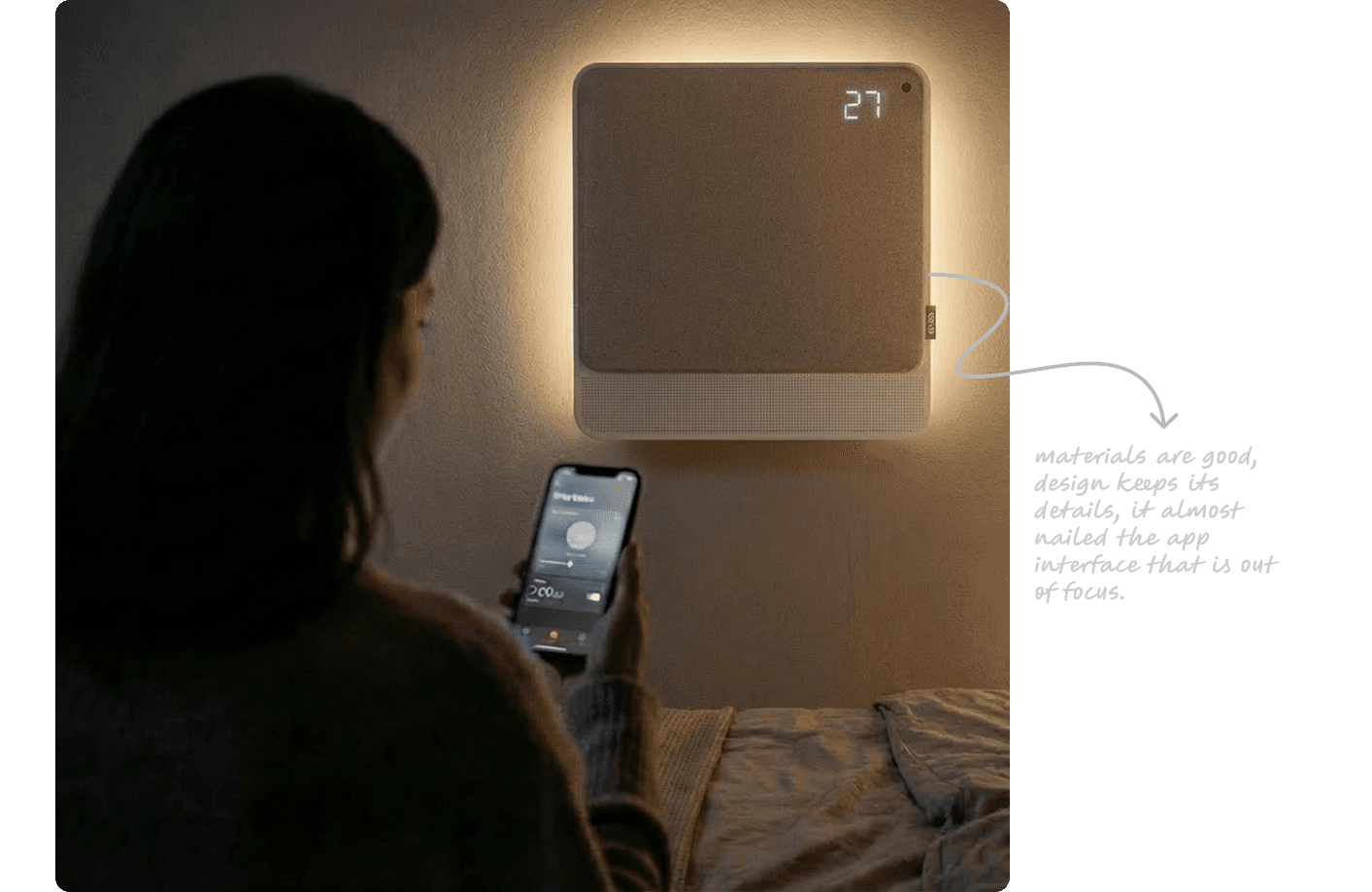
NanoBananaPRO transforms how fast we can communicate ideas. What once took hours or days can now be done in minutes, without sacrificing accuracy.
How It Changed Our Workflow
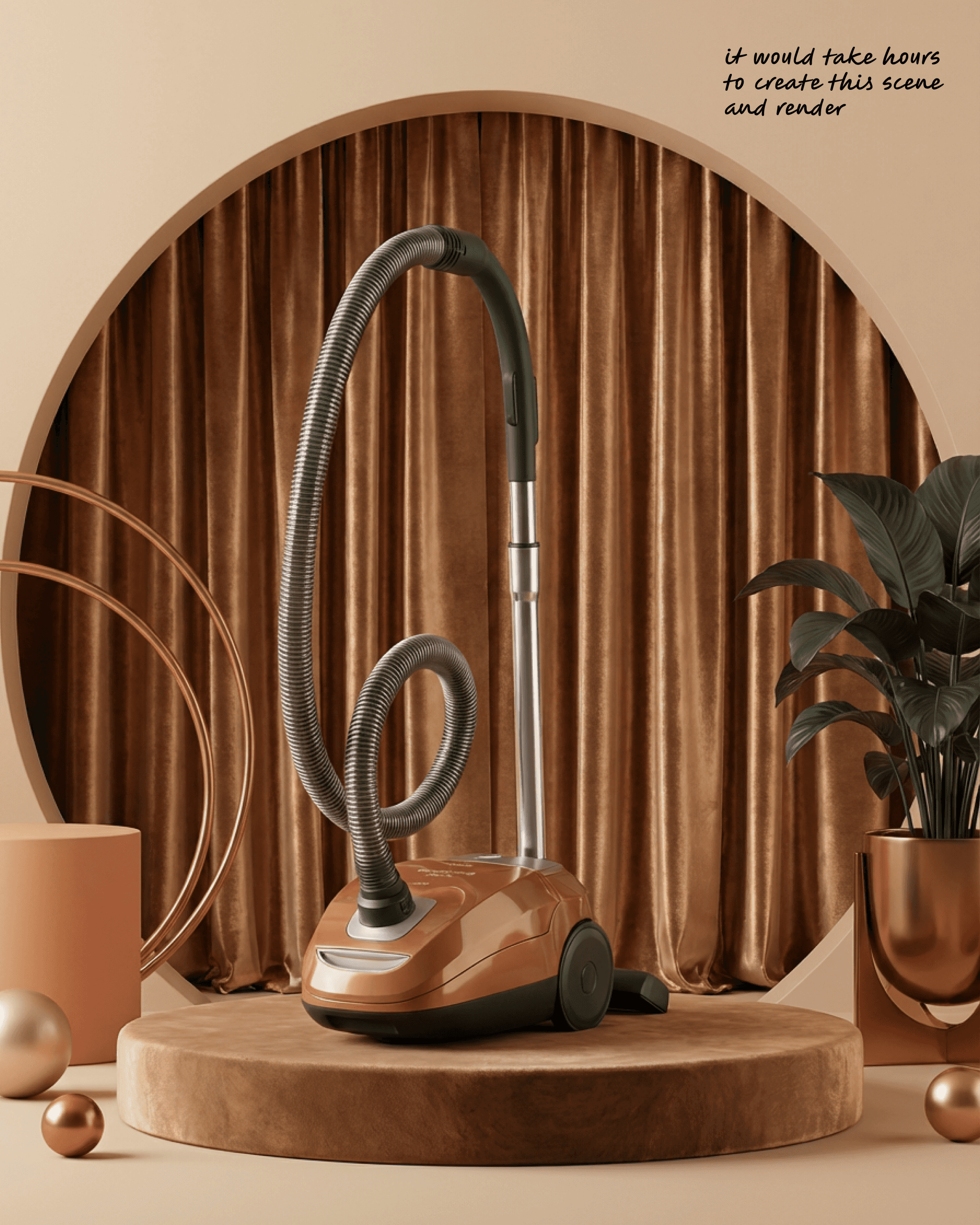
We, as industrial designers, have felt a noticeable shift. We still use AI for moodboards, but now we also use it to create real usage-scenario visuals with the actual product inside. It’s the first time AI outputs are consistent enough that we can trust them in a deck. We no longer need to rebuild scenes in KeyShot or rely on endless Photoshop retouching sessions. NanoBananaPRO lets us focus on design decisions instead of technical cleanup.
The tool doesn’t replace our process it extends it. It gives us speed and freedom without compromising the integrity of the design. And that’s something no previous AI tool managed to achieve.
A Fun Name With Serious Impact
NanoBananaPRO represents a meaningful shift in how designers can integrate AI. It doesn’t reinvent what we design. It supports it. It acts like a real assistant fast, controlled, consistent. Finally giving us a way to generate contextual visuals without losing control of our product.
A Bigger Perspective
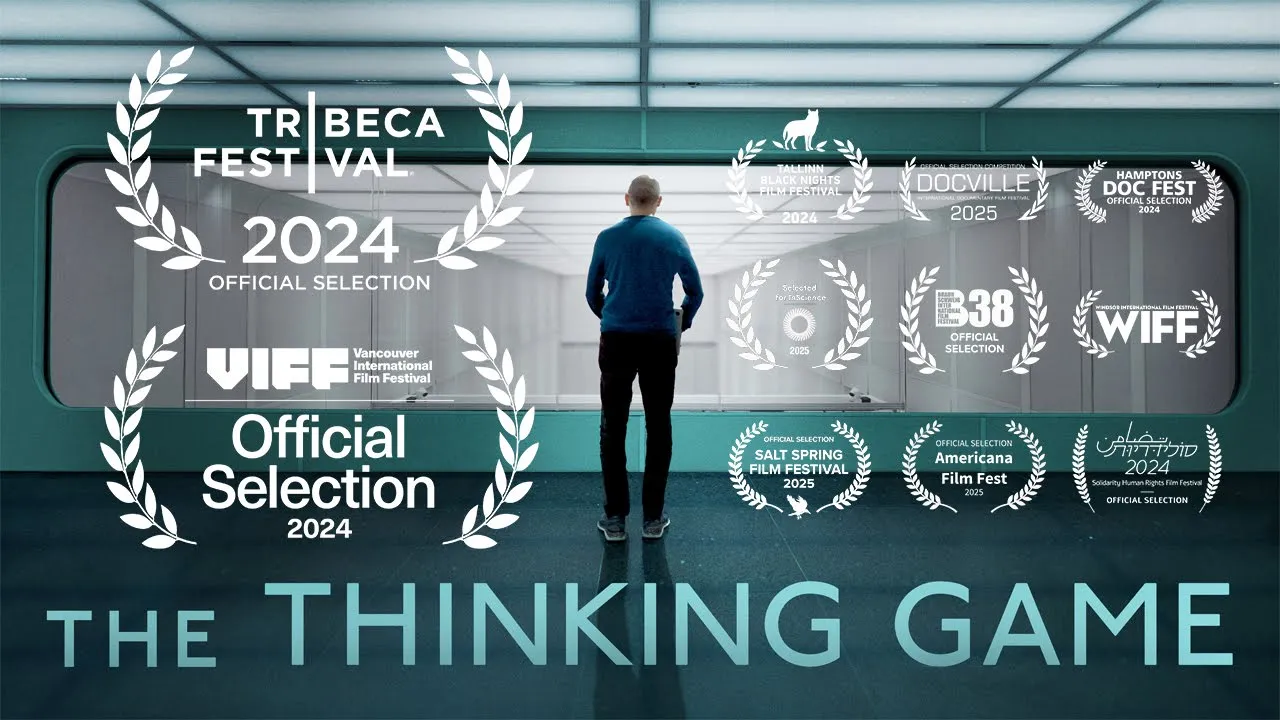
If you’re curious about how all of this fits into the broader evolution of AI, we recommend watching DeepMind’s documentary The Thinking Game. It offers a thoughtful look at how these models are built and why these leaps matter. It puts tools like NanoBananaPRO into a much bigger context, and for us, it hit surprisingly deep.
Let’s be honest
As designers, we’ve all been playing with AI tools for a while now. They were fun for experiments, great for quick moodboards, and perfect for throwing out visual ideas when your brain needed a push. But none of them ever felt truly usable for real design work. There was always that annoying “BUT” in the background. The resolution wasn’t strong enough, materials fell apart, the scale was off, or the text turned into some kind of sci-fi language. And the worst part: your carefully crafted product changed every time you tried to place it into a scene.
So we all did the same thing: keep AI on the edges of the workflow. Let it help with vibes, inspiration, maybe early sketches… but never with showing the actual product. Every time we tried, we ended up rebuilding logos, fixing geometry, repainting reflections, or re-doing entire compositions manually. It was faster to do everything ourselves than to correct the chaos.
The old problems that we all know
Every designer who tried to use AI for real deliverables ran into the same issues. AI images often had unrealistic materials, soft details, strange lighting, or scale issues that instantly broke the illusion. Logos were reinterpreted, UIs dissolved into noise, and the product itself morphed slightly every time you generated a new angle. Even with upscaling, most results weren’t sharp enough for presentation slides.
Small Steps Forward
Firefly helped a bit with style matching, especially for building moodboards or personas. It was nice to carry over colors and textures, but it still wasn’t something we could trust with a solid, client-facing visual. ChatGPT could place some text on the product, which felt like progress, but the font often changed and there were always small typos or inconsistencies hiding in the details.
Then NanoBanana First Appeared
Then came NanoBanana with a name nobody expected and everybody loved. It started as a late-night placeholder for a benchmark submission and somehow took off across the internet. But beyond the name, the tool itself felt surprisingly refreshing. It wasn’t perfect or production-ready, but it was fast, intuitive, and unusually good at editing real photos without destroying them.
The Leap: NanoBananaPRO
Everything shifted with NanoBananaPRO. This is the first AI tool that finally respects the design instead of reinventing it. For the first time, our products stayed exactly as we designed them. The geometry held. The CMF stayed truthful. The UI didn’t melt. The logos didn’t transform. The materials looked real. The lighting felt believable. And the images were high-resolution enough to go directly into a client presentation.
NanoBananaPRO bridges the gap between concept-stage AI and professional-grade visuals. It delivers consistency something designers have been begging for since AI tools emerged. It gives us the ability to build a scene around our product without the product being altered. That alone marks a huge turning point.
"With NanoBananaPRO, the distance between a rough idea and a presentation-ready visual becomes incredibly small."
We can now place our real product into usage scenarios without setting up full 3D scenes, hunting down stock photos that almost fit, or stitching together multiple renders. We can show interaction, scale, environment, and lifestyle context all while the product stays unchanged.
NanoBananaPRO transforms how fast we can communicate ideas. What once took hours or days can now be done in minutes, without sacrificing accuracy.
How It Changed Our Workflow
We, as industrial designers, have felt a noticeable shift. We still use AI for moodboards, but now we also use it to create real usage-scenario visuals with the actual product inside. It’s the first time AI outputs are consistent enough that we can trust them in a deck. We no longer need to rebuild scenes in KeyShot or rely on endless Photoshop retouching sessions. NanoBananaPRO lets us focus on design decisions instead of technical cleanup.
The tool doesn’t replace our process it extends it. It gives us speed and freedom without compromising the integrity of the design. And that’s something no previous AI tool managed to achieve.
A Fun Name With Serious Impact
NanoBananaPRO represents a meaningful shift in how designers can integrate AI. It doesn’t reinvent what we design. It supports it. It acts like a real assistant fast, controlled, consistent. Finally giving us a way to generate contextual visuals without losing control of our product.
A Bigger Perspective
If you’re curious about how all of this fits into the broader evolution of AI, we recommend watching DeepMind’s documentary The Thinking Game. It offers a thoughtful look at how these models are built and why these leaps matter. It puts tools like NanoBananaPRO into a much bigger context, and for us, it hit surprisingly deep.
Let’s be honest
As designers, we’ve all been playing with AI tools for a while now. They were fun for experiments, great for quick moodboards, and perfect for throwing out visual ideas when your brain needed a push. But none of them ever felt truly usable for real design work. There was always that annoying “BUT” in the background. The resolution wasn’t strong enough, materials fell apart, the scale was off, or the text turned into some kind of sci-fi language. And the worst part: your carefully crafted product changed every time you tried to place it into a scene.
So we all did the same thing: keep AI on the edges of the workflow. Let it help with vibes, inspiration, maybe early sketches… but never with showing the actual product. Every time we tried, we ended up rebuilding logos, fixing geometry, repainting reflections, or re-doing entire compositions manually. It was faster to do everything ourselves than to correct the chaos.
The old problems that we all know
Every designer who tried to use AI for real deliverables ran into the same issues. AI images often had unrealistic materials, soft details, strange lighting, or scale issues that instantly broke the illusion. Logos were reinterpreted, UIs dissolved into noise, and the product itself morphed slightly every time you generated a new angle. Even with upscaling, most results weren’t sharp enough for presentation slides.
Small Steps Forward
Firefly helped a bit with style matching, especially for building moodboards or personas. It was nice to carry over colors and textures, but it still wasn’t something we could trust with a solid, client-facing visual. ChatGPT could place some text on the product, which felt like progress, but the font often changed and there were always small typos or inconsistencies hiding in the details.
Then NanoBanana First Appeared
Then came NanoBanana with a name nobody expected and everybody loved. It started as a late-night placeholder for a benchmark submission and somehow took off across the internet. But beyond the name, the tool itself felt surprisingly refreshing. It wasn’t perfect or production-ready, but it was fast, intuitive, and unusually good at editing real photos without destroying them.
The Leap: NanoBananaPRO
Everything shifted with NanoBananaPRO. This is the first AI tool that finally respects the design instead of reinventing it. For the first time, our products stayed exactly as we designed them. The geometry held. The CMF stayed truthful. The UI didn’t melt. The logos didn’t transform. The materials looked real. The lighting felt believable. And the images were high-resolution enough to go directly into a client presentation.
NanoBananaPRO bridges the gap between concept-stage AI and professional-grade visuals. It delivers consistency something designers have been begging for since AI tools emerged. It gives us the ability to build a scene around our product without the product being altered. That alone marks a huge turning point.
"With NanoBananaPRO, the distance between a rough idea and a presentation-ready visual becomes incredibly small."
We can now place our real product into usage scenarios without setting up full 3D scenes, hunting down stock photos that almost fit, or stitching together multiple renders. We can show interaction, scale, environment, and lifestyle context all while the product stays unchanged.
NanoBananaPRO transforms how fast we can communicate ideas. What once took hours or days can now be done in minutes, without sacrificing accuracy.
How It Changed Our Workflow
We, as industrial designers, have felt a noticeable shift. We still use AI for moodboards, but now we also use it to create real usage-scenario visuals with the actual product inside. It’s the first time AI outputs are consistent enough that we can trust them in a deck. We no longer need to rebuild scenes in KeyShot or rely on endless Photoshop retouching sessions. NanoBananaPRO lets us focus on design decisions instead of technical cleanup.
The tool doesn’t replace our process it extends it. It gives us speed and freedom without compromising the integrity of the design. And that’s something no previous AI tool managed to achieve.
A Fun Name With Serious Impact
NanoBananaPRO represents a meaningful shift in how designers can integrate AI. It doesn’t reinvent what we design. It supports it. It acts like a real assistant fast, controlled, consistent. Finally giving us a way to generate contextual visuals without losing control of our product.
A Bigger Perspective
If you’re curious about how all of this fits into the broader evolution of AI, we recommend watching DeepMind’s documentary The Thinking Game. It offers a thoughtful look at how these models are built and why these leaps matter. It puts tools like NanoBananaPRO into a much bigger context, and for us, it hit surprisingly deep.