Dezeen Talks: Sustainable Changemakers
Dezeen Talks: Sustainable Changemakers
Author
Author
Özge Kayaaslan
Özge Kayaaslan
Three Inspiring Ways of Rethinking Waste and Value at Dezeen Talks
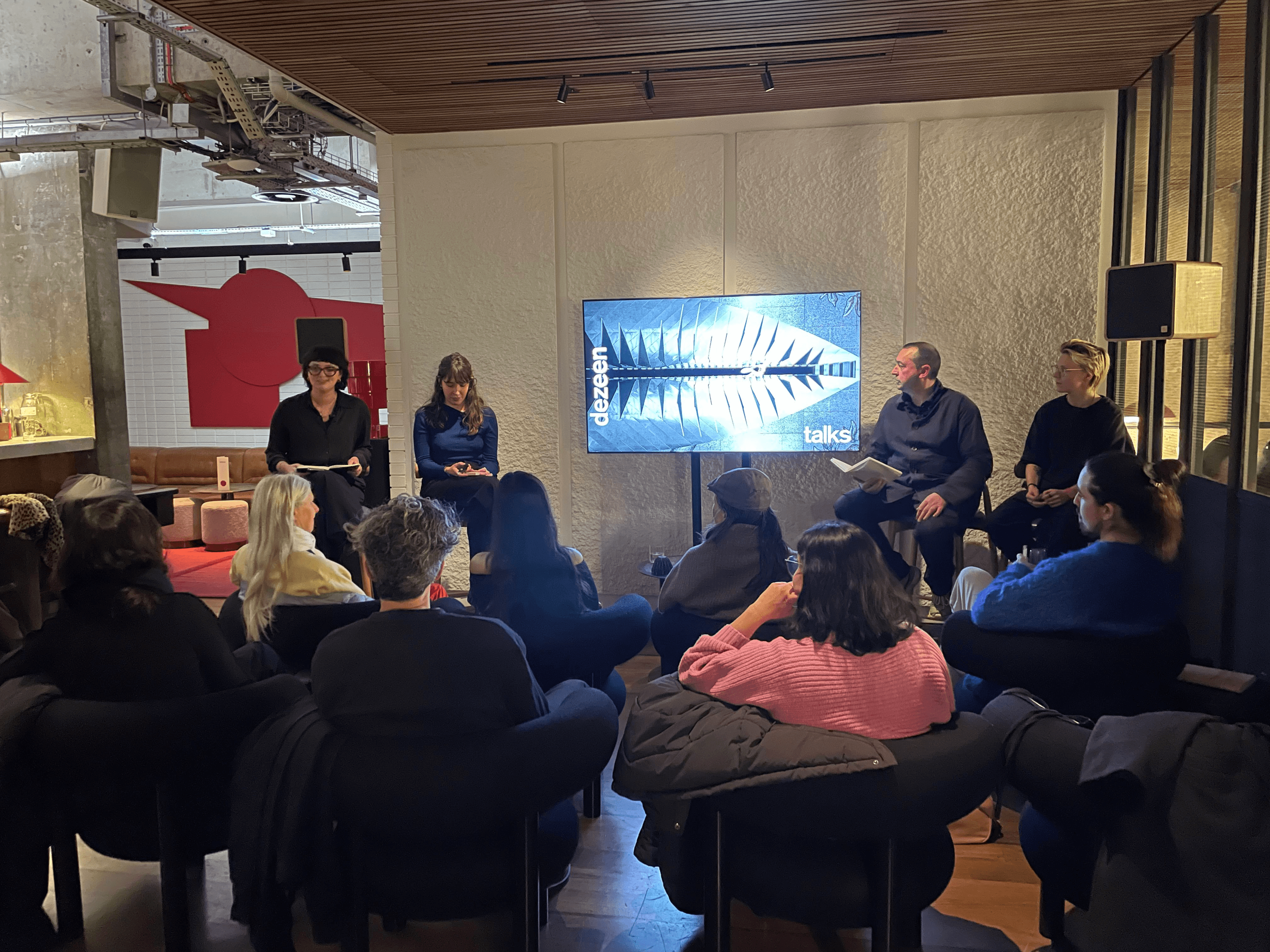
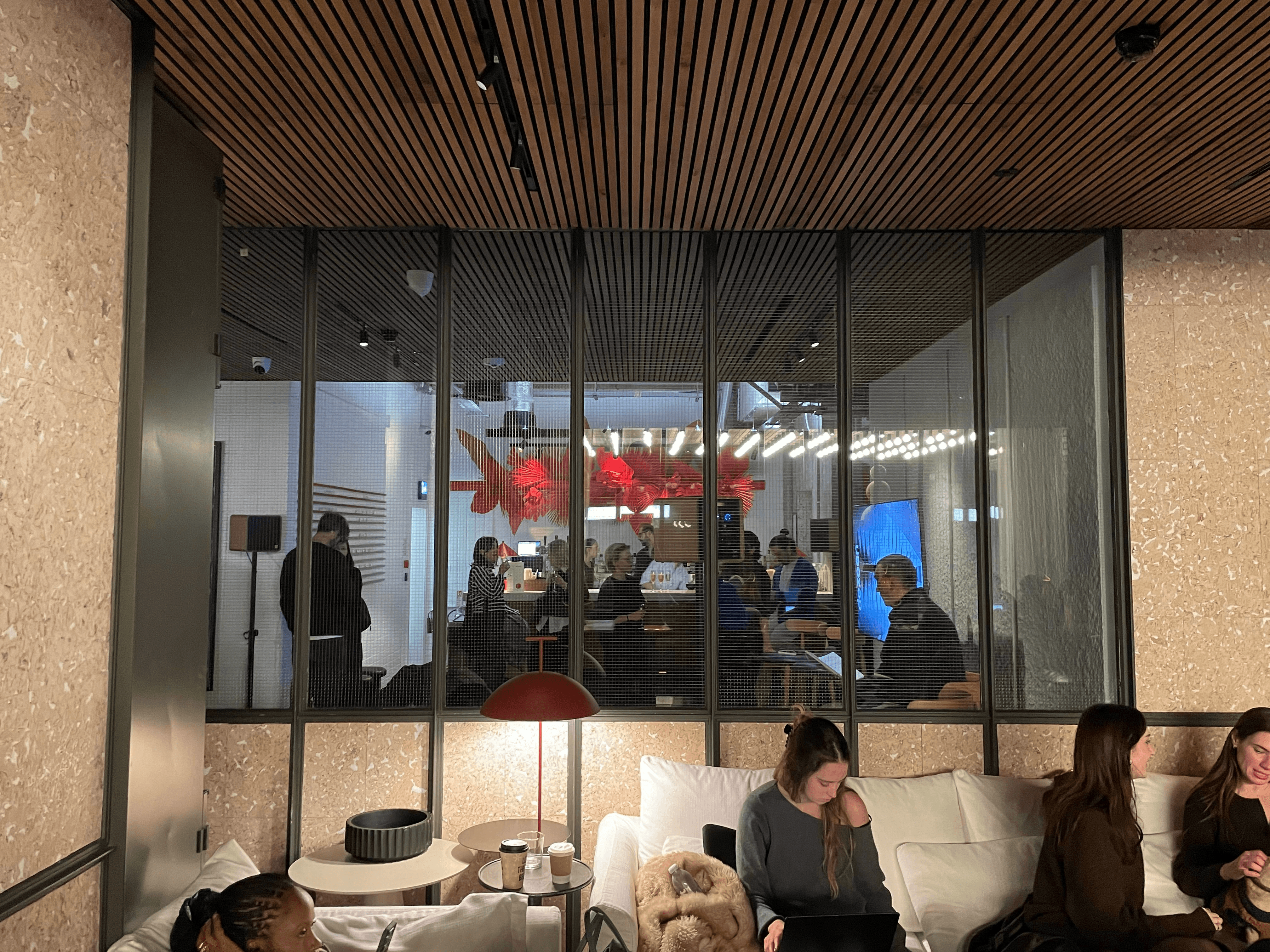
Attending Dezeen Talks: Sustainable Changemakers at One Hundred Shoreditch, where Dezeen gathered shortlisted designers from the Dezeen Awards, felt like stepping into a space where design was less about polished outcomes and more about the values behind them. The panel was moderated by Amy Peacock from Dezeen and brought together three voices who are reshaping how we talk about ethics and sustainability in design: Paola Garnousset from Blast Studio, Bob Shankly from MTTR, and Jo Barnard from Morrama. Listening to them felt like witnessing three different roadmaps for how design can respond to the world around us.
Turning London’s Coffee Cup Problem Into a Local Resource
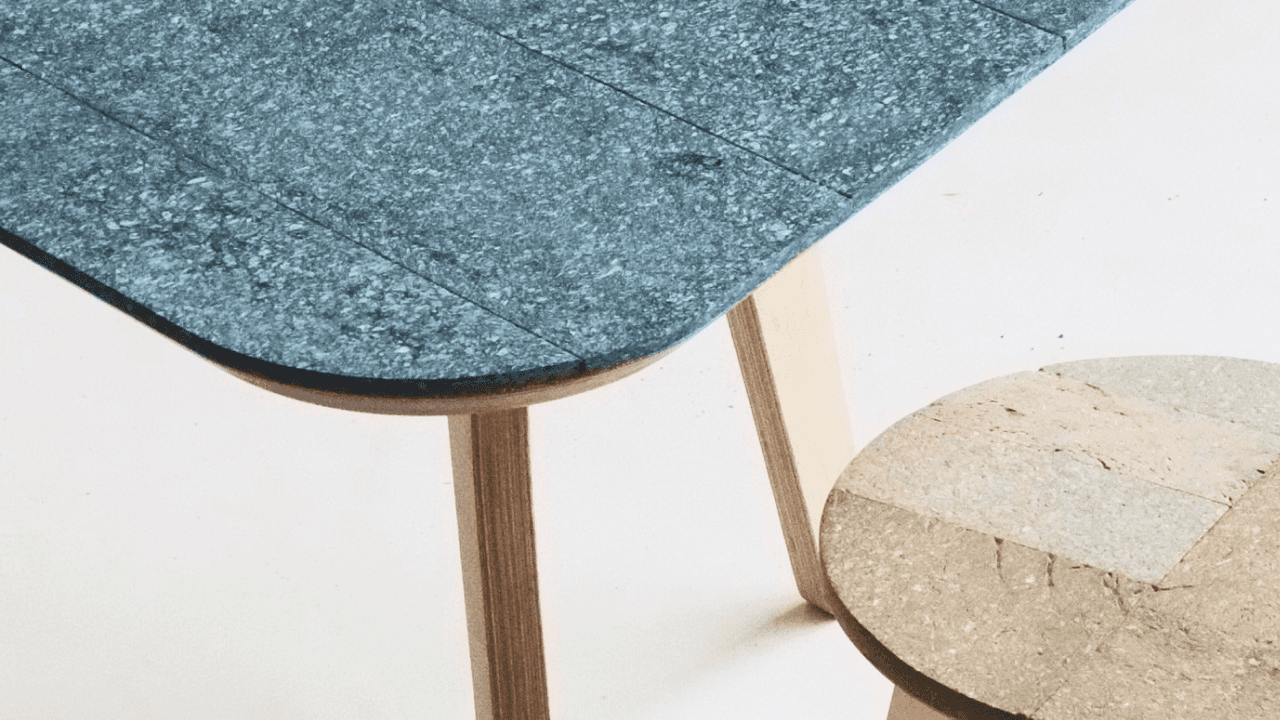
Paola from Blast Studio opened with something many Londoners overlook. Disposable coffee cups are everywhere, yet rarely recycled because of their plastic lining. Moving from France, where takeaway cups are far less common, the team immediately noticed the scale of the issue. Instead of accepting it as part of city life, they treated it as raw material. This is how Cupsan was born, a material made from London’s discarded coffee cups and repurposed for use in cafes, bakeries, and cultural institutions. Their work is now supporting exhibitions in the Victoria and Albert Museum. It was a reminder that innovation often begins when someone sees waste not as a problem but as potential.
Making Only What the World Truly Needs
Bob Shankly’s talk brought a very different tone. MTTR denim is built around a principle he shared on stage. If you create something the world does not need, it’d better make a difference. MTTR follows that idea completely. The denim contains no virgin materials. Every part is made from waste streams. The final product is designed without gender boundaries. And Shankly refuses mass production, positioning MTTR as a quiet form of resistance against the relentless pace of the fashion world. It is a project where the idea and the manifesto speak even louder than the final garment.
A Shift From Sustainable Outcomes to Regenerative Mindsets
Jo Barnard, cofounder of Morrama and winner of the Bentley Lighthouse Award 2025, expanded the conversation again. Sustainability is measurable, she explained. Regeneration is a mindset. Morrama uses this perspective as its starting point. In the case of Kibu Headphones, the goal was not only to design a product but to influence how children think about making and repairing, at the background changing the mindset of the next generation. The headphones come in parts, meant to be assembled and fixed by the user. This simple act gives children confidence, agency, and a connection to the objects they use. It is a system-level shift disguised as a playful experience.
Looking Ahead
Leaving Dezeen Talks, one idea stayed with me. None of these designers aim to create more. They aim to create better. They question the familiar, rethink the overlooked, and treat design as a tool for reshaping systems rather than decorating them.
Three Inspiring Ways of Rethinking Waste and Value at Dezeen Talks
Attending Dezeen Talks: Sustainable Changemakers at One Hundred Shoreditch, where Dezeen gathered shortlisted designers from the Dezeen Awards, felt like stepping into a space where design was less about polished outcomes and more about the values behind them. The panel was moderated by Amy Peacock from Dezeen and brought together three voices who are reshaping how we talk about ethics and sustainability in design: Paola Garnousset from Blast Studio, Bob Shankly from MTTR, and Jo Barnard from Morrama. Listening to them felt like witnessing three different roadmaps for how design can respond to the world around us.
Turning London’s Coffee Cup Problem Into a Local Resource
Paola from Blast Studio opened with something many Londoners overlook. Disposable coffee cups are everywhere, yet rarely recycled because of their plastic lining. Moving from France, where takeaway cups are far less common, the team immediately noticed the scale of the issue. Instead of accepting it as part of city life, they treated it as raw material. This is how Cupsan was born, a material made from London’s discarded coffee cups and repurposed for use in cafes, bakeries, and cultural institutions. Their work is now supporting exhibitions in the Victoria and Albert Museum. It was a reminder that innovation often begins when someone sees waste not as a problem but as potential.
Making Only What the World Truly Needs
Bob Shankly’s talk brought a very different tone. MTTR denim is built around a principle he shared on stage. If you create something the world does not need, it’d better make a difference. MTTR follows that idea completely. The denim contains no virgin materials. Every part is made from waste streams. The final product is designed without gender boundaries. And Shankly refuses mass production, positioning MTTR as a quiet form of resistance against the relentless pace of the fashion world. It is a project where the idea and the manifesto speak even louder than the final garment.
A Shift From Sustainable Outcomes to Regenerative Mindsets
Jo Barnard, cofounder of Morrama and winner of the Bentley Lighthouse Award 2025, expanded the conversation again. Sustainability is measurable, she explained. Regeneration is a mindset. Morrama uses this perspective as its starting point. In the case of Kibu Headphones, the goal was not only to design a product but to influence how children think about making and repairing, at the background changing the mindset of the next generation. The headphones come in parts, meant to be assembled and fixed by the user. This simple act gives children confidence, agency, and a connection to the objects they use. It is a system-level shift disguised as a playful experience.
Looking Ahead
Leaving Dezeen Talks, one idea stayed with me. None of these designers aim to create more. They aim to create better. They question the familiar, rethink the overlooked, and treat design as a tool for reshaping systems rather than decorating them.
Three Inspiring Ways of Rethinking Waste and Value at Dezeen Talks
Attending Dezeen Talks: Sustainable Changemakers at One Hundred Shoreditch, where Dezeen gathered shortlisted designers from the Dezeen Awards, felt like stepping into a space where design was less about polished outcomes and more about the values behind them. The panel was moderated by Amy Peacock from Dezeen and brought together three voices who are reshaping how we talk about ethics and sustainability in design: Paola Garnousset from Blast Studio, Bob Shankly from MTTR, and Jo Barnard from Morrama. Listening to them felt like witnessing three different roadmaps for how design can respond to the world around us.
Turning London’s Coffee Cup Problem Into a Local Resource
Paola from Blast Studio opened with something many Londoners overlook. Disposable coffee cups are everywhere, yet rarely recycled because of their plastic lining. Moving from France, where takeaway cups are far less common, the team immediately noticed the scale of the issue. Instead of accepting it as part of city life, they treated it as raw material. This is how Cupsan was born, a material made from London’s discarded coffee cups and repurposed for use in cafes, bakeries, and cultural institutions. Their work is now supporting exhibitions in the Victoria and Albert Museum. It was a reminder that innovation often begins when someone sees waste not as a problem but as potential.
Making Only What the World Truly Needs
Bob Shankly’s talk brought a very different tone. MTTR denim is built around a principle he shared on stage. If you create something the world does not need, it’d better make a difference. MTTR follows that idea completely. The denim contains no virgin materials. Every part is made from waste streams. The final product is designed without gender boundaries. And Shankly refuses mass production, positioning MTTR as a quiet form of resistance against the relentless pace of the fashion world. It is a project where the idea and the manifesto speak even louder than the final garment.
A Shift From Sustainable Outcomes to Regenerative Mindsets
Jo Barnard, cofounder of Morrama and winner of the Bentley Lighthouse Award 2025, expanded the conversation again. Sustainability is measurable, she explained. Regeneration is a mindset. Morrama uses this perspective as its starting point. In the case of Kibu Headphones, the goal was not only to design a product but to influence how children think about making and repairing, at the background changing the mindset of the next generation. The headphones come in parts, meant to be assembled and fixed by the user. This simple act gives children confidence, agency, and a connection to the objects they use. It is a system-level shift disguised as a playful experience.
Looking Ahead
Leaving Dezeen Talks, one idea stayed with me. None of these designers aim to create more. They aim to create better. They question the familiar, rethink the overlooked, and treat design as a tool for reshaping systems rather than decorating them.