Author
DesignUplift
The Death of the Black Plastic Box
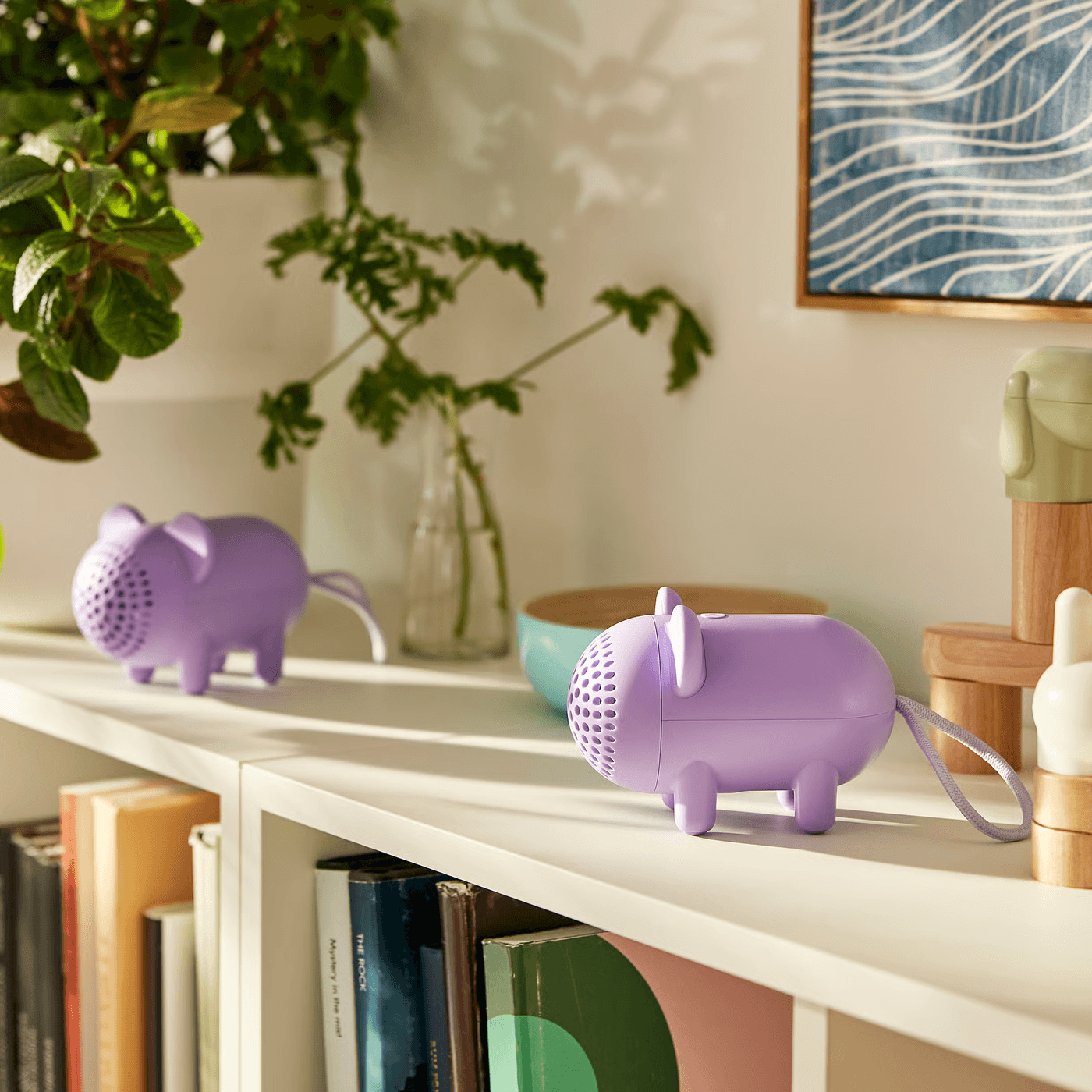
For years, the consumer electronics industry has been mired in a cycle of sterile aestheticism. From smart speakers to hubs, the "black plastic rectangle" has become the default, a brutalist utility that favors industrial invisibility over human-centric joy. IKEA is currently staging a quiet rebellion against this Silicon Valley monotony with the Grejsimojs (pronounced "gray-see-moys").
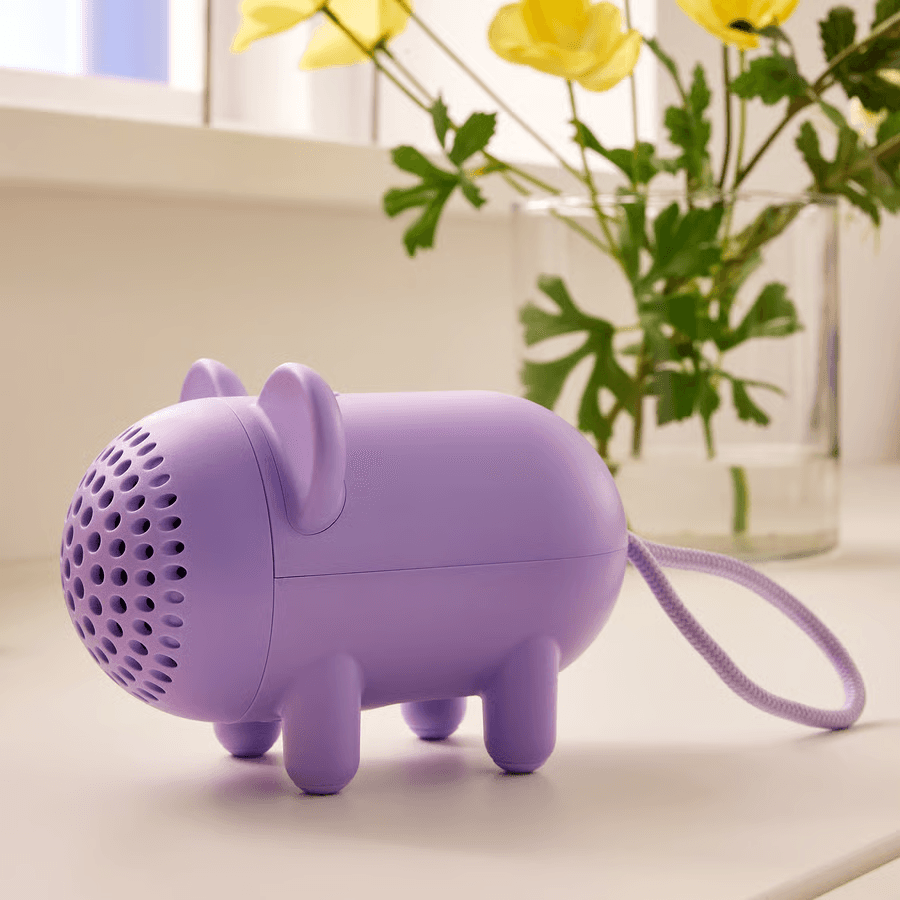
By treating tech as a lifestyle accessory rather than laboratory equipment, IKEA is disrupting the notion that functionality requires a somber aesthetic. The Grejsimojs, a portable Bluetooth speaker shaped like a purple mouse, signals a significant pivot toward "Democratic Design" in tech. It is a shift where gadgets are treated like furniture: affordable, whimsical, and fundamentally context-specific.
Form over "Specs" as a Radical Choice
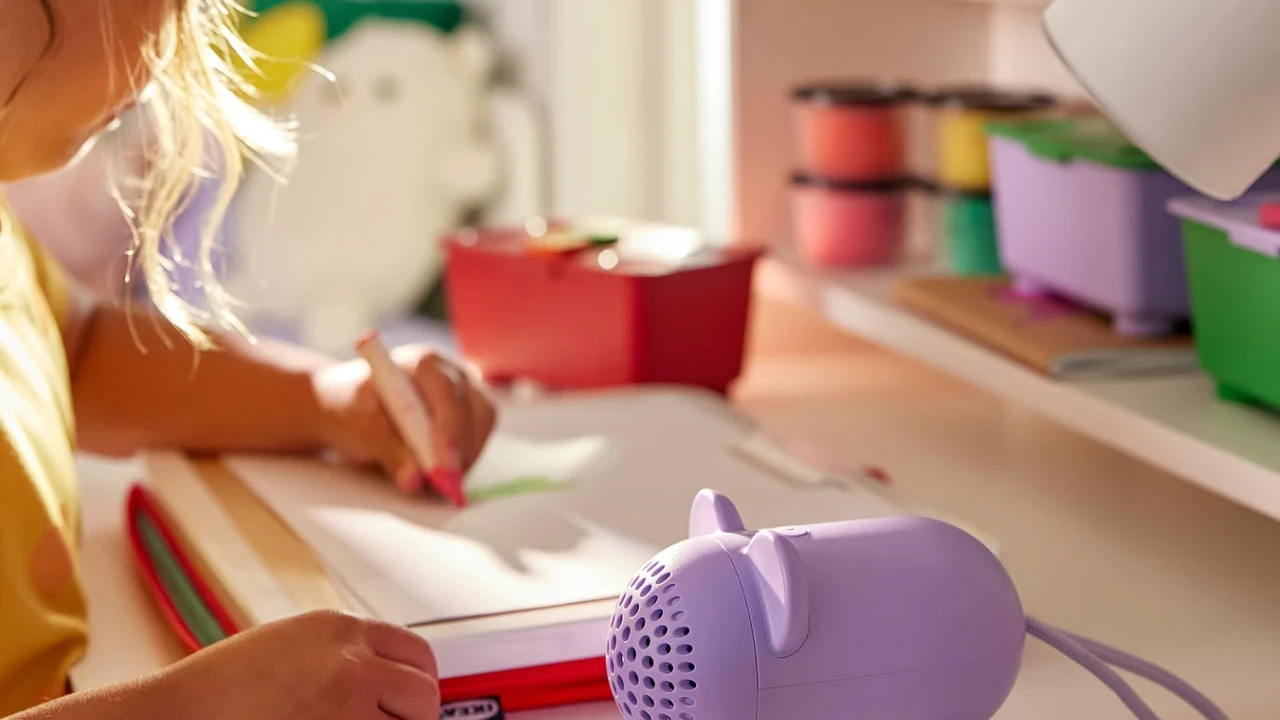
The Grejsimojs is a deliberate rejection of the "spec-sheet arms race" that defines modern audio. Built around a modest 1.6-inch full-range driver with a 2W output, it intentionally avoids competing with the high-fidelity obsession of the portable market. This is a strategic choice that removes the "anxiety of choice" for parents, prioritizing aesthetic identity and tactile joy over raw performance.
By capping the output at 73.8 dB, IKEA is asserting that in a child’s room, "good enough" audio is a virtue. This prioritization of charm over audiophile metrics reflects a sophisticated understanding of user environment; a child doesn't need a soundstage, they need a companion.
The Genius of Functional Whimsy
In true Scandinavian fashion, the Grejsimojs is a masterclass in reducing part counts through clever narrative integration. The "mouse" persona isn't a mere shell; it is a functional extension of the hardware's utility.
One of the most brilliant design touches is the "tail"—a braided polyester loop that serves as both a brand identifier and a highly functional carry handle. This single element reduces manufacturing complexity while making the technology instantly portable and tactile for small hands. Furthermore, the use of purple ABS plastic and silicone rubber for the buttons and feet creates a soft, grippy texture that invites interaction rather than the cautious reverence demanded by glass-and-metal flagship devices.
Designing for "Good Enough" Durability
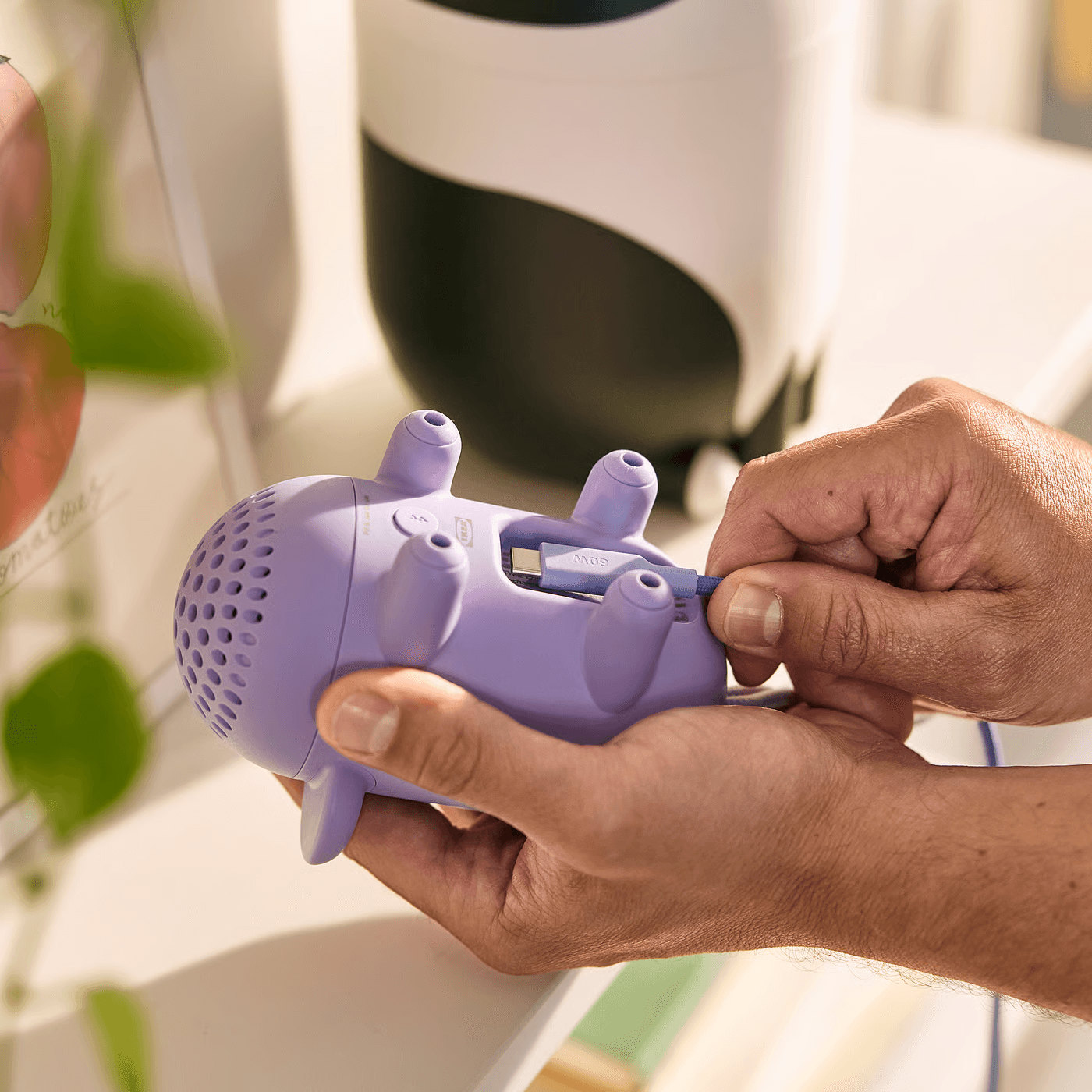
In product strategy, "performance" is entirely relative to the user's needs. For the Grejsimojs, high performance isn't measured in frequency response, but in the ability to survive the chaos of a playroom. IKEA has established a clear boundary between "user" (the child) and "operator" (the parent), particularly in its requirement that the device must be charged by an adult and cannot play while plugged in.
Technical Specifications & Safety Features:
• Audio Output: 2W (150 to 19,000 Hz frequency range).
• Acoustic Ceiling: 73.8 dB max sound pressure (built-in volume limiter for hearing safety).
• Durability Rating: IP44 (dust and splash resistance).
• Battery Performance: Up to 24 hours at 50% volume.
• Physical Footprint: 8.6 x 13.0 x 9.0 cm.
• Charging Architecture: USB-C (USB-C cable and adapter sold separately).
Tech as an "Impulse Buy" Accessory
With a price point of approximately £12/€15 (16–18), IKEA is aggressively undercutting the market to position tech as a lifestyle impulse buy. This is not an isolated experiment; following the $10 Kallsup speaker debut at CES 2026, the Grejsimojs confirms a broader strategy to capture a slice of the projected $14.6 billion portable speaker market by focusing on "secondary speakers" for specific rooms.
IKEA is leveraging its design credibility to build a "playful ecosystem" rather than a closed technical one. By offering the mouse speaker alongside objects like the $39.99 dog-shaped lamp, IKEA allows consumers to "mix and match" gadgets with the same ease as flat-pack furniture.
"Ikea's angle—leveraging its retail presence and design credibility to sell tech as lifestyle accessories rather than gadgets—could resonate with parents tired of black plastic rectangles."
The "Anti-Smart" Movement
The most refreshing strategic choice in the Grejsimojs is its omission of "smart" features. There is no Alexa or Google Assistant, no microphones, and no Spotify Tap. This represents a "privacy-by-design" philosophy for children’s spaces that doesn't need to be marketed as a security feature. It is simply inherent in the hardware's simplicity.
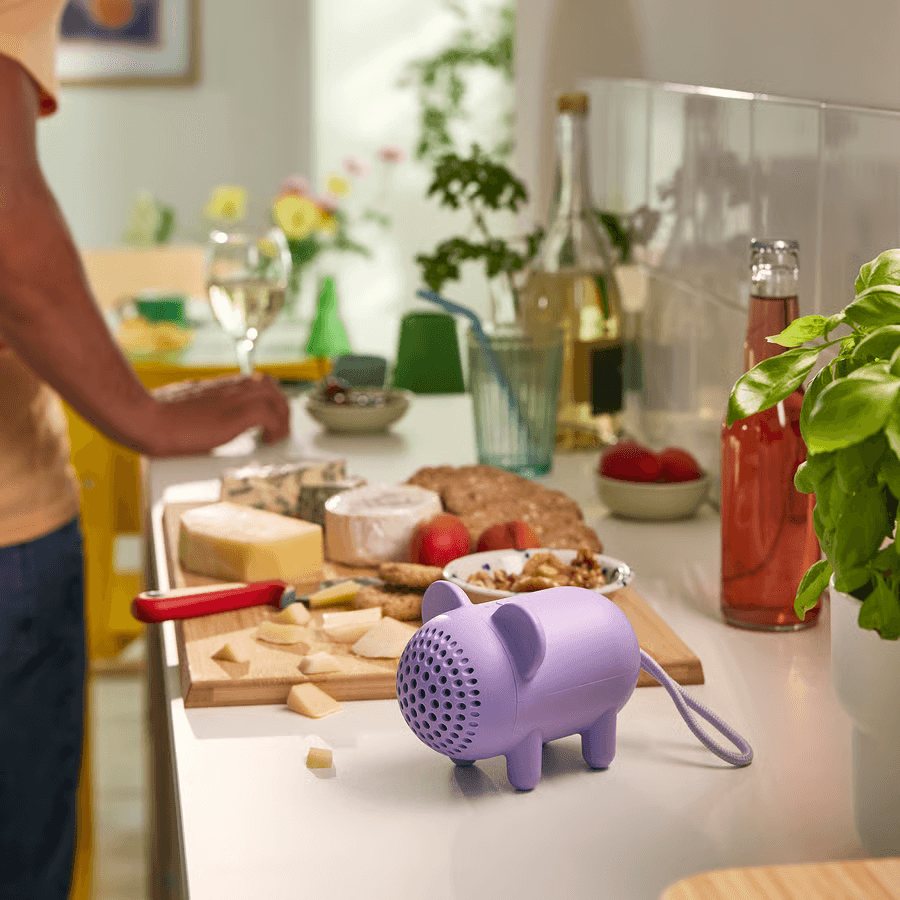
Even the wireless connectivity is socially focused. Instead of "stereo pairing", a feature for solitary, critical listening, IKEA offers a "multi-speaker mode." This allows several units to sync the same audio across a home, transforming the device from a technical tool into a social facilitator for playdates and family gatherings.
The Future of Playful Tech
The IKEA Grejsimojs marks a critical shift from "gadgets" to "design-forward lifestyle objects." By ignoring the industry's obsession with bleeding-edge specs and focusing on whimsy, safety, and human-centricity, IKEA has created a product that feels significantly more soulful than its high-end competitors.
As designers and strategists, we must ask: has our obsession with wattage and wireless protocols caused us to lose sight of the charm that a well-designed object brings to a room? If a $16 purple mouse can disrupt a multi-billion dollar market, perhaps it is time the industry traded some of its "smarts" for a little more heart.