Hand, Code, Matter: Rethinking the Role of AI in Spatial Design
Hand, Code, Matter: Rethinking the Role of AI in Spatial Design
Author
Author
Ozge Kayaaslan
Ozge Kayaaslan

AI has quickly become one of the most debated tools in the design industry. Some see it as an opportunity to work faster, explore further and imagine differently. Others worry that as technology becomes more capable, something essential to design might get lost: the human touch.
Maybe we are asking the wrong questions. AI does not need to replace the things that make design human.
This is the idea behind Hand, Code, Matter: A New Flow for Spatial Design, presented by Matrix Design at Material Matters London this September. Rather than presenting AI as the future of design on its own, the exhibition places technology within a wider creative process, one that starts with human intuition and ends with something physical.
For us at DesignUplift, this is an important distinction.
Code
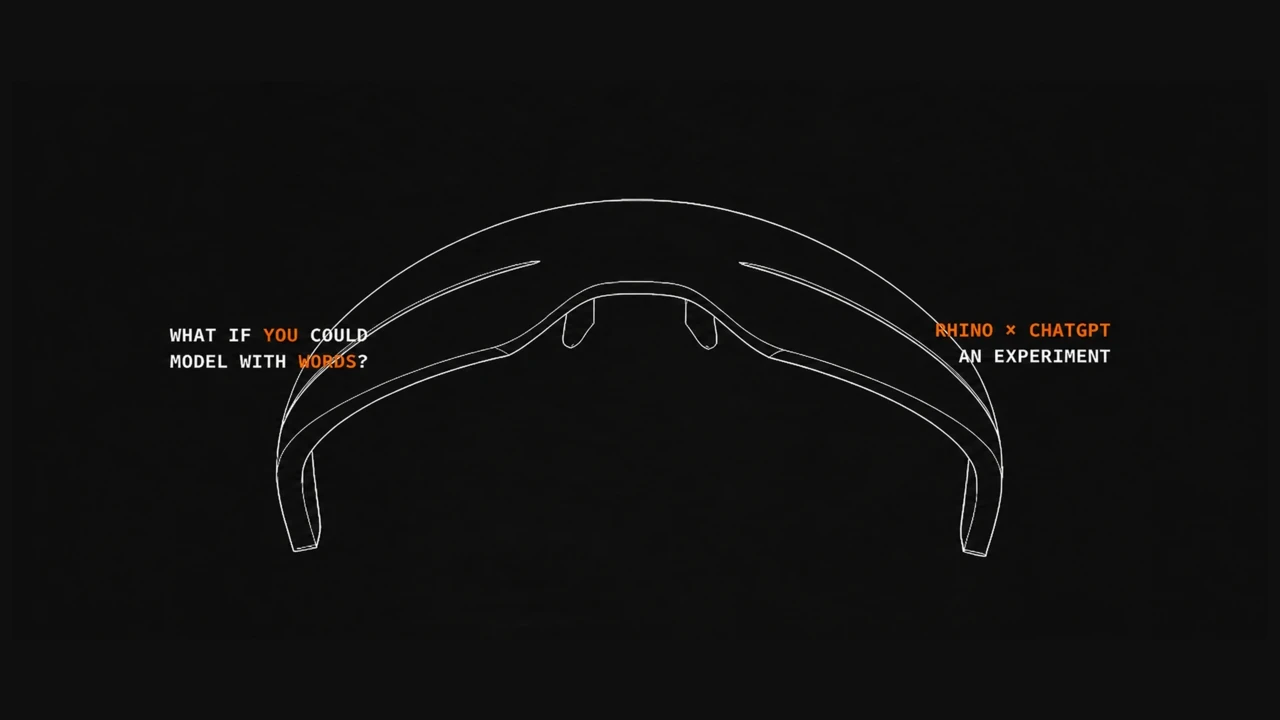
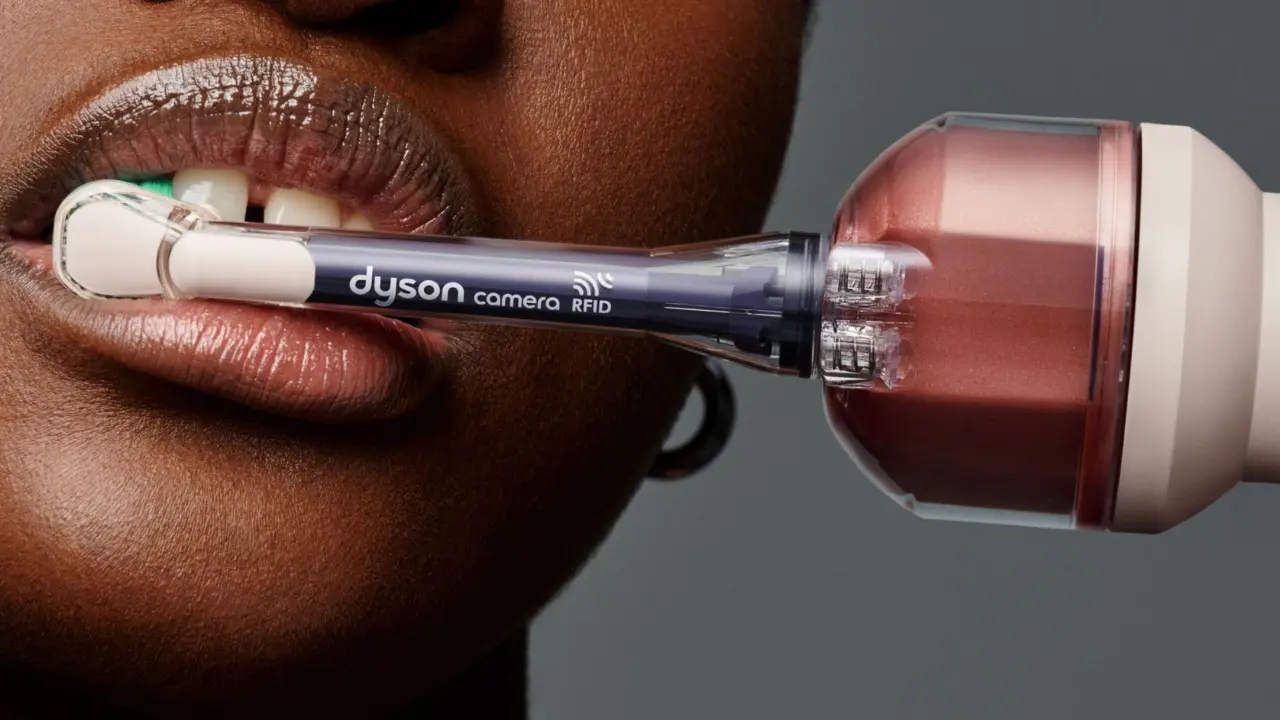
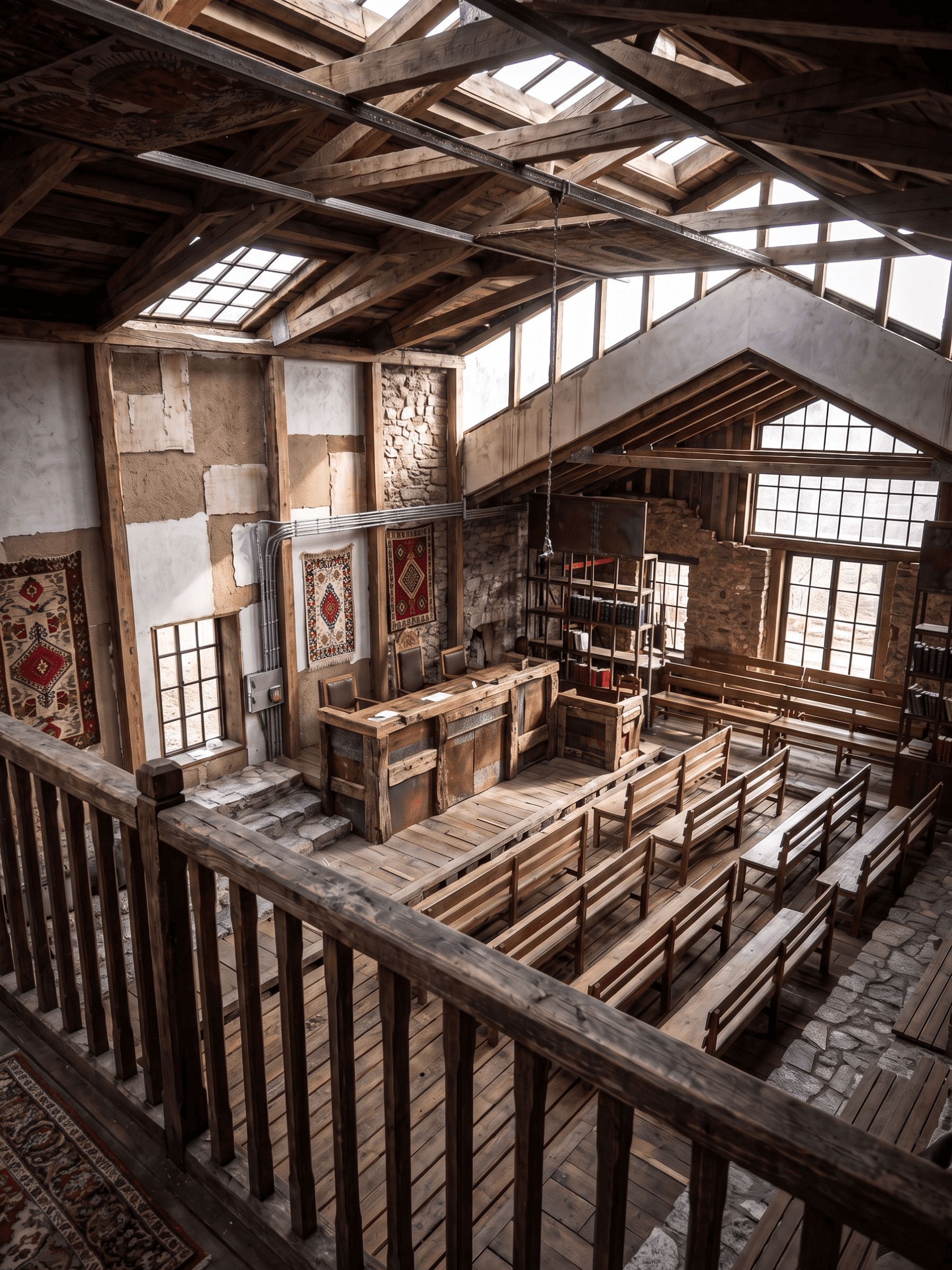
The exhibition introduces Lovspark AI, a next-generation AI-powered spatial design ecosystem, as a tool for moving between ideas, iterations and possibilities. This is where AI enters the process, but not as the author. It allows designers to explore different directions, develop variations and visualise ideas in ways that can expand the original creative process.
This is where we think the conversation around AI becomes more interesting. Instead of asking, "Will AI design for us?", we can ask, "What can I discover by designing with AI?"
Technology is not necessarily something designers should be afraid of. Like any new tool, it is something to learn, test and question. The interesting part is discovering what it allows us to do that we could not easily do before, while knowing that the final creative decision still belongs to us.
And that is where Hand, Code, Matter comes in.
That shift changes the relationship completely.
A designer can use technology to challenge their first idea, test something, or quickly explore a direction that might otherwise take much longer to develop. They still need to decide which direction is meaningful. AI can generate possibilities. It cannot decide what matters to you.
That distinction is at the heart of the exhibition. Each of the eight emerging designers approached Lovspark AI differently, demonstrating that there does not need to be one prescribed way of working with these tools. Perhaps that is the most useful way to think about AI in creative practice: not as a replacement for imagination, but as an extension of it.
Matter
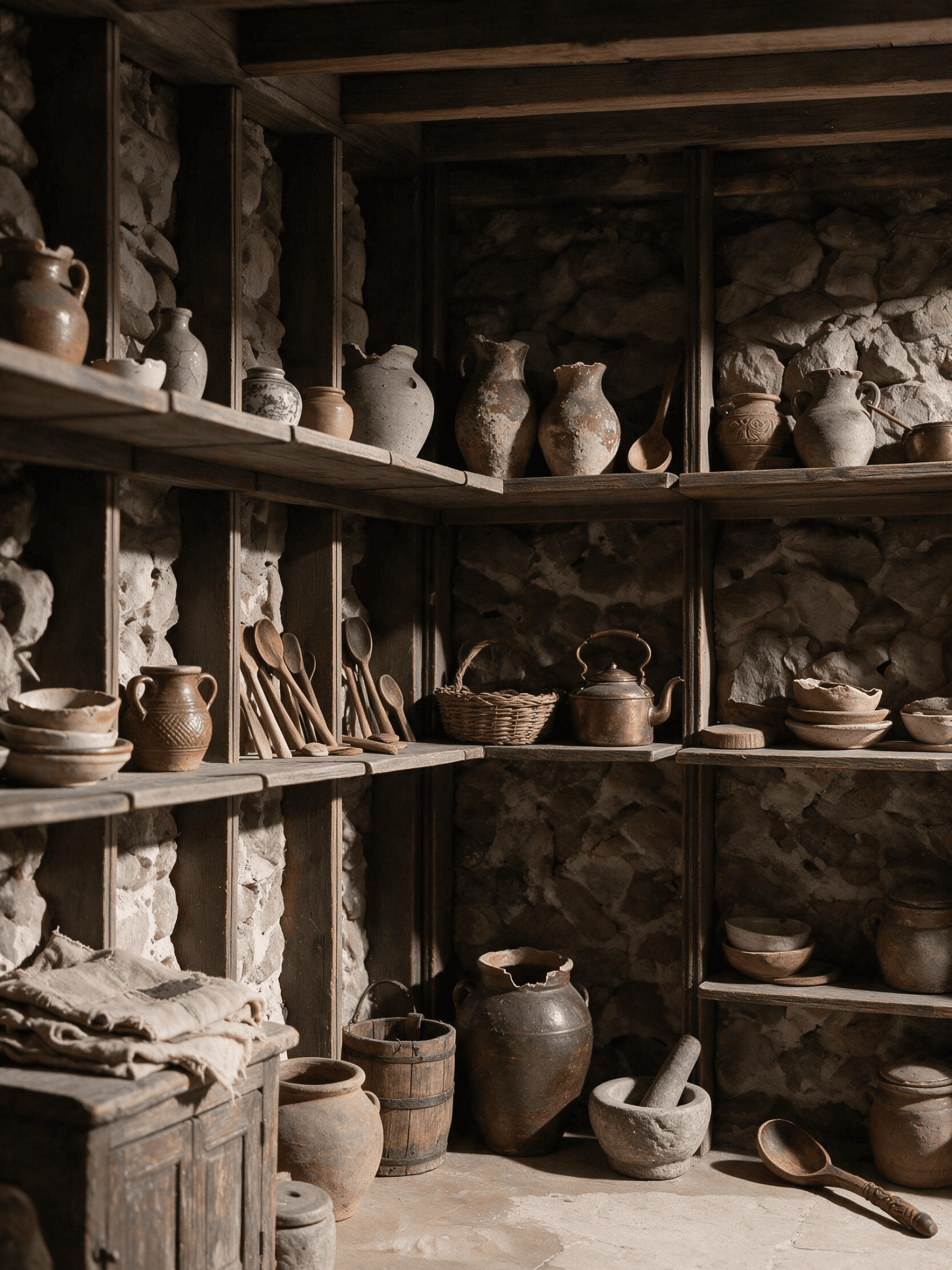
When an idea is ready to become something that can be touched, occupied, built and experienced. That is where Matter completes the journey.
The exhibition brings the conversation back to materials, furnishings and the practical realities of delivering a space. It connects digital exploration with the physical world, where decisions have consequences in terms of materiality, construction, sourcing and use.
This is an important reminder at a time when our feeds are increasingly filled with highly convincing AI-generated spaces. Architecture and spatial design are physical disciplines. Materials have texture and weight. Objects occupy space. Buildings have constraints. People move through them, live in them and create memories inside them.
A Different Relationship With Technology
What we find compelling about Hand, Code, Matter is that it does not treat technology as a separate layer added to design. Instead, it places it between the human idea and the physical outcome. It is less about choosing between analogue and digital, and more about understanding how they can inform one another.
This feels particularly relevant for a new generation of designers. We are entering a period where AI will inevitably become part of everyday creative workflows. Learning how to use these tools critically may become just as important as learning the tools themselves.
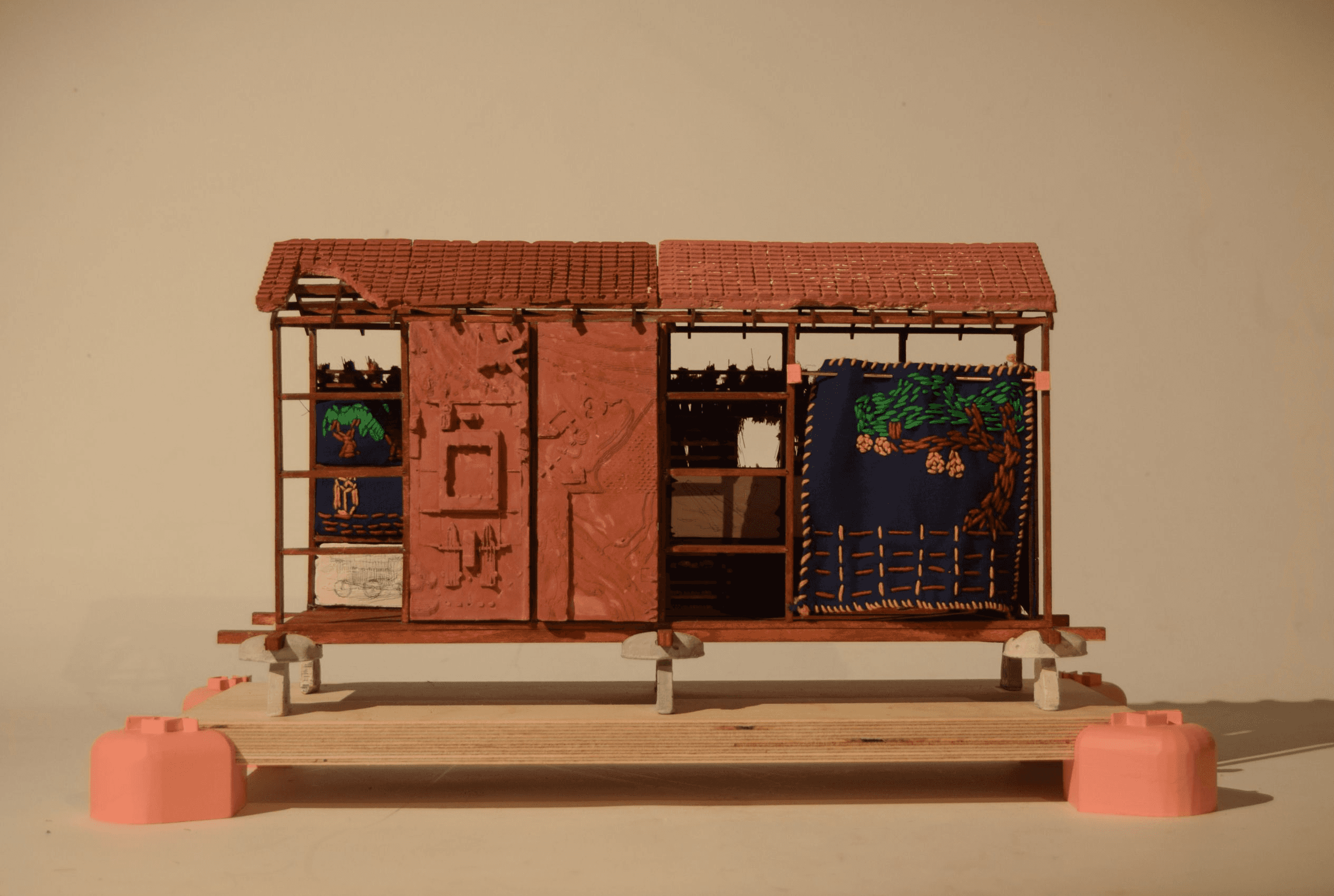
From Human Intuition to Tangible Space
Presented by Matrix Design, the exhibition brings together the work of eight recent architecture graduates to explore this relationship between human creativity, AI and physical materiality. Lovspark AI is presented as part of this process, with a dedicated hands-on station allowing visitors to experience the technology themselves.
The exhibition is curated by Pick Up Architecture, founded by Vicky Richardson and Gwen Webber, and designed by Farrokh Aman, whose practice moves between architecture, furniture, objects, events and publications.
Taking place at UNLOCKED Shoreditch during Material Matters London, the exhibition is ultimately less about predicting what AI will do to design and more about asking what designers can do with it.
The responsibility remains with us to bring the emotion, the judgement, the cultural context and, eventually, the physical matter.
Hand. Code. Matter. - Three parts of a design process that remind us that even as our tools change, the reason we design remains deeply human.
Exhibition Details
Hand, Code, Matter: A New Flow for Spatial Design
UNLOCKED Shoreditch, 118 Curtain Road, London EC2A 3PJ
15–17 September 2026
A dedicated Lovspark AI hands-on station will be available throughout the exhibition.
Panel Talk: Thursday 17 September, 3:00pm, as part of the Material Matters talks programme.
Curator: Pick Up Architecture
Design: Farrokh Aman
Graphic Design: Matrix Design
AI has quickly become one of the most debated tools in the design industry. Some see it as an opportunity to work faster, explore further and imagine differently. Others worry that as technology becomes more capable, something essential to design might get lost: the human touch.
Maybe we are asking the wrong questions. AI does not need to replace the things that make design human.
This is the idea behind Hand, Code, Matter: A New Flow for Spatial Design, presented by Matrix Design at Material Matters London this September. Rather than presenting AI as the future of design on its own, the exhibition places technology within a wider creative process, one that starts with human intuition and ends with something physical.
For us at DesignUplift, this is an important distinction.
Code
The exhibition introduces Lovspark AI, a next-generation AI-powered spatial design ecosystem, as a tool for moving between ideas, iterations and possibilities. This is where AI enters the process, but not as the author. It allows designers to explore different directions, develop variations and visualise ideas in ways that can expand the original creative process.
This is where we think the conversation around AI becomes more interesting. Instead of asking, "Will AI design for us?", we can ask, "What can I discover by designing with AI?"
Technology is not necessarily something designers should be afraid of. Like any new tool, it is something to learn, test and question. The interesting part is discovering what it allows us to do that we could not easily do before, while knowing that the final creative decision still belongs to us.
And that is where Hand, Code, Matter comes in.
That shift changes the relationship completely.
A designer can use technology to challenge their first idea, test something, or quickly explore a direction that might otherwise take much longer to develop. They still need to decide which direction is meaningful. AI can generate possibilities. It cannot decide what matters to you.
That distinction is at the heart of the exhibition. Each of the eight emerging designers approached Lovspark AI differently, demonstrating that there does not need to be one prescribed way of working with these tools. Perhaps that is the most useful way to think about AI in creative practice: not as a replacement for imagination, but as an extension of it.
Matter
When an idea is ready to become something that can be touched, occupied, built and experienced. That is where Matter completes the journey.
The exhibition brings the conversation back to materials, furnishings and the practical realities of delivering a space. It connects digital exploration with the physical world, where decisions have consequences in terms of materiality, construction, sourcing and use.
This is an important reminder at a time when our feeds are increasingly filled with highly convincing AI-generated spaces. Architecture and spatial design are physical disciplines. Materials have texture and weight. Objects occupy space. Buildings have constraints. People move through them, live in them and create memories inside them.
A Different Relationship With Technology
What we find compelling about Hand, Code, Matter is that it does not treat technology as a separate layer added to design. Instead, it places it between the human idea and the physical outcome. It is less about choosing between analogue and digital, and more about understanding how they can inform one another.
This feels particularly relevant for a new generation of designers. We are entering a period where AI will inevitably become part of everyday creative workflows. Learning how to use these tools critically may become just as important as learning the tools themselves.
From Human Intuition to Tangible Space
Presented by Matrix Design, the exhibition brings together the work of eight recent architecture graduates to explore this relationship between human creativity, AI and physical materiality. Lovspark AI is presented as part of this process, with a dedicated hands-on station allowing visitors to experience the technology themselves.
The exhibition is curated by Pick Up Architecture, founded by Vicky Richardson and Gwen Webber, and designed by Farrokh Aman, whose practice moves between architecture, furniture, objects, events and publications.
Taking place at UNLOCKED Shoreditch during Material Matters London, the exhibition is ultimately less about predicting what AI will do to design and more about asking what designers can do with it.
The responsibility remains with us to bring the emotion, the judgement, the cultural context and, eventually, the physical matter.
Hand. Code. Matter. - Three parts of a design process that remind us that even as our tools change, the reason we design remains deeply human.
Exhibition Details
Hand, Code, Matter: A New Flow for Spatial Design
UNLOCKED Shoreditch, 118 Curtain Road, London EC2A 3PJ
15–17 September 2026
A dedicated Lovspark AI hands-on station will be available throughout the exhibition.
Panel Talk: Thursday 17 September, 3:00pm, as part of the Material Matters talks programme.
Curator: Pick Up Architecture
Design: Farrokh Aman
Graphic Design: Matrix Design
AI has quickly become one of the most debated tools in the design industry. Some see it as an opportunity to work faster, explore further and imagine differently. Others worry that as technology becomes more capable, something essential to design might get lost: the human touch.
Maybe we are asking the wrong questions. AI does not need to replace the things that make design human.
This is the idea behind Hand, Code, Matter: A New Flow for Spatial Design, presented by Matrix Design at Material Matters London this September. Rather than presenting AI as the future of design on its own, the exhibition places technology within a wider creative process, one that starts with human intuition and ends with something physical.
For us at DesignUplift, this is an important distinction.
Code
The exhibition introduces Lovspark AI, a next-generation AI-powered spatial design ecosystem, as a tool for moving between ideas, iterations and possibilities. This is where AI enters the process, but not as the author. It allows designers to explore different directions, develop variations and visualise ideas in ways that can expand the original creative process.
This is where we think the conversation around AI becomes more interesting. Instead of asking, "Will AI design for us?", we can ask, "What can I discover by designing with AI?"
Technology is not necessarily something designers should be afraid of. Like any new tool, it is something to learn, test and question. The interesting part is discovering what it allows us to do that we could not easily do before, while knowing that the final creative decision still belongs to us.
And that is where Hand, Code, Matter comes in.
That shift changes the relationship completely.
A designer can use technology to challenge their first idea, test something, or quickly explore a direction that might otherwise take much longer to develop. They still need to decide which direction is meaningful. AI can generate possibilities. It cannot decide what matters to you.
That distinction is at the heart of the exhibition. Each of the eight emerging designers approached Lovspark AI differently, demonstrating that there does not need to be one prescribed way of working with these tools. Perhaps that is the most useful way to think about AI in creative practice: not as a replacement for imagination, but as an extension of it.
Matter
When an idea is ready to become something that can be touched, occupied, built and experienced. That is where Matter completes the journey.
The exhibition brings the conversation back to materials, furnishings and the practical realities of delivering a space. It connects digital exploration with the physical world, where decisions have consequences in terms of materiality, construction, sourcing and use.
This is an important reminder at a time when our feeds are increasingly filled with highly convincing AI-generated spaces. Architecture and spatial design are physical disciplines. Materials have texture and weight. Objects occupy space. Buildings have constraints. People move through them, live in them and create memories inside them.
A Different Relationship With Technology
What we find compelling about Hand, Code, Matter is that it does not treat technology as a separate layer added to design. Instead, it places it between the human idea and the physical outcome. It is less about choosing between analogue and digital, and more about understanding how they can inform one another.
This feels particularly relevant for a new generation of designers. We are entering a period where AI will inevitably become part of everyday creative workflows. Learning how to use these tools critically may become just as important as learning the tools themselves.
From Human Intuition to Tangible Space
Presented by Matrix Design, the exhibition brings together the work of eight recent architecture graduates to explore this relationship between human creativity, AI and physical materiality. Lovspark AI is presented as part of this process, with a dedicated hands-on station allowing visitors to experience the technology themselves.
The exhibition is curated by Pick Up Architecture, founded by Vicky Richardson and Gwen Webber, and designed by Farrokh Aman, whose practice moves between architecture, furniture, objects, events and publications.
Taking place at UNLOCKED Shoreditch during Material Matters London, the exhibition is ultimately less about predicting what AI will do to design and more about asking what designers can do with it.
The responsibility remains with us to bring the emotion, the judgement, the cultural context and, eventually, the physical matter.
Hand. Code. Matter. - Three parts of a design process that remind us that even as our tools change, the reason we design remains deeply human.
Exhibition Details
Hand, Code, Matter: A New Flow for Spatial Design
UNLOCKED Shoreditch, 118 Curtain Road, London EC2A 3PJ
15–17 September 2026
A dedicated Lovspark AI hands-on station will be available throughout the exhibition.
Panel Talk: Thursday 17 September, 3:00pm, as part of the Material Matters talks programme.
Curator: Pick Up Architecture
Design: Farrokh Aman
Graphic Design: Matrix Design